NEUROLOGY CONSULTATION & COMPREHENSIVE NEUROLOGICAL CARE
+
Patient-Centred Care
Personalized neurological evaluation
and treatment designed around
every patient's needs.
13+
Years of
Neurology Experience
Neurology Experience
- Neurology Consultation & Comprehensive Neurological Care
By Dr. Monika Porwal Bagul - Neurologist & Spine Specialist
+
Patient-Centred Care
Personalized neurological evaluation
and treatment designed around
every patient's needs.
13+
Years of
Neurology Experience
Neurology Experience
Neurological symptoms can affect almost every aspect of daily life—from headaches, dizziness and numbness to seizures, weakness, movement difficulties and changes in memory or cognition.
Dr. Monika Porwal Bagul provides comprehensive neurological consultation in Indore, with a focus on understanding the underlying cause of symptoms through detailed clinical assessment, appropriate investigations and personalised treatment planning.
Her clinical practice encompasses adult neurology, child and adolescent neurodevelopment, stroke medicine, chronic pain management and neuropsychiatry, along with the evaluation and management of complex neurological conditions.
Whether a patient is seeking an initial evaluation for a new neurological symptom or ongoing specialist care for an established condition, the consultation is tailored to the individual’s clinical needs.
What Does Dr. Monika Porwal Bagul Evaluate?
Neurological Conditions Evaluated & Managed
Dr. Monika Porwal Bagul provides neurological evaluation and management for a broad range of conditions affecting the brain, nerves, spinal cord and muscles.
Headache & Migraine
Evaluation of recurrent headaches, migraine and other headache disorders.
Epilepsy & Seizure Disorders
Assessment and management of seizures, epilepsy and unexplained episodes of altered awareness.
Stroke & Cerebrovascular Disorders
Neurological evaluation and management following stroke and for conditions affecting blood flow to the brain.
Peripheral Neuropathy & Nerve Disorders
Assessment of numbness, tingling, burning sensations, nerve pain and weakness.
Movement Disorders
Evaluation of tremors, Parkinsonian symptoms, involuntary movements and other movement-related conditions.
Vertigo, Dizziness & Balance Disorders
Assessment of dizziness, vertigo, imbalance and coordination difficulties.
Memory & Cognitive Disorders
Evaluation of memory changes, cognitive difficulties and dementia-related concerns.
Neuromuscular Disorders
Assessment of muscle weakness and conditions affecting nerves and muscles.
Pediatric Neurological Conditions
Neurological and neurodevelopmental evaluation for children and adolescents.
- WHEN SHOULD YOU CONSULT DR. MONIKA PORWAL BAGUL?
Neurological Symptoms That May Require Specialist Evaluation
Consider consulting a neurologist when symptoms are persistent, recurrent, unexplained or interfering with daily life.
Dr. Monika Porwal Bagul evaluates patients experiencing:
- Persistent or recurrent headaches
- Migraine
- Seizures or unexplained episodes of altered awareness
- Numbness or tingling
- Muscle weakness
- Tremors or involuntary movements
- Dizziness or vertigo
- Balance and walking difficulties
- Memory loss or cognitive changes
- Speech or swallowing difficulties
- Persistent nerve pain
- Changes in sensation
- Neurological symptoms following brain injury or stroke
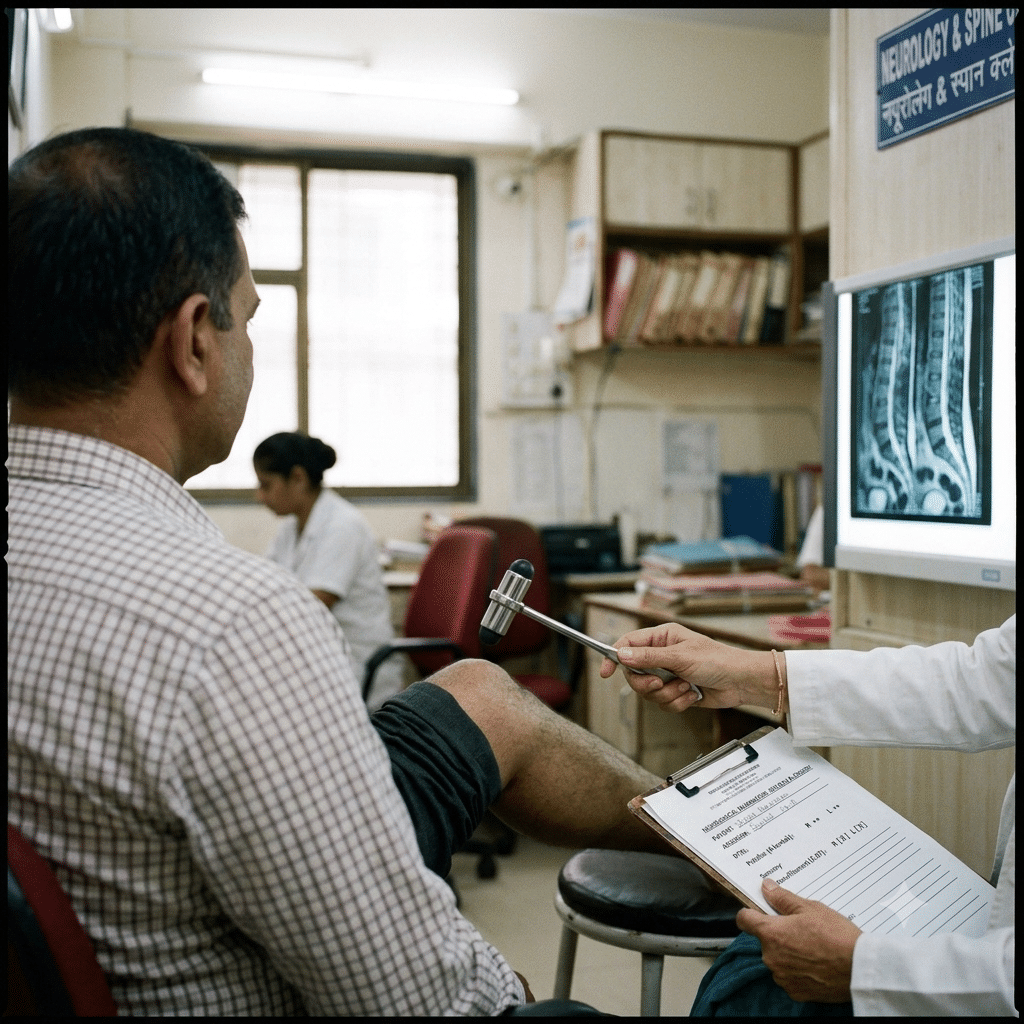
- WHAT TO EXPECT DURING YOUR CONSULTATION
A Detailed Neurological Assessment
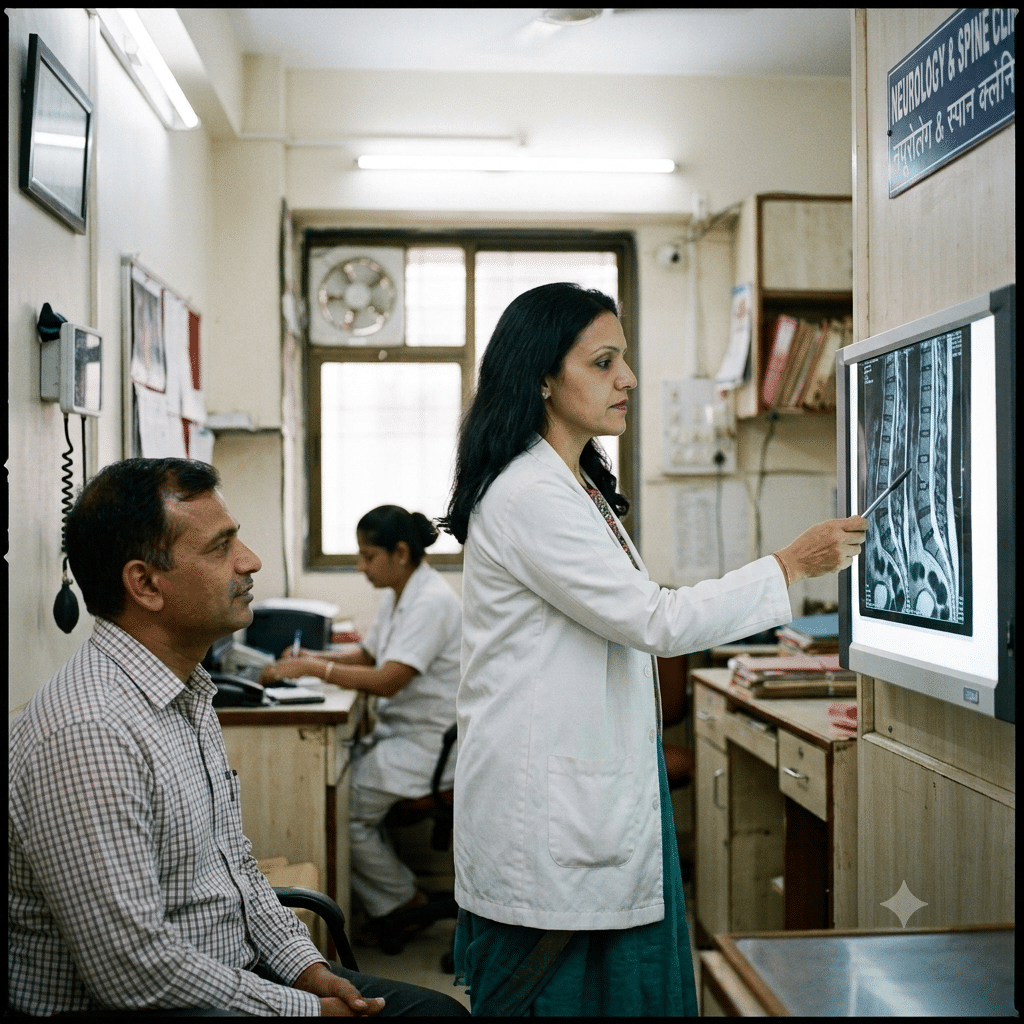
A neurological consultation is not limited to discussing symptoms. Dr. Monika Porwal Bagul takes a comprehensive approach to understanding the patient’s neurological health.
01. Detailed History
Your symptoms, medical history, medications, previous diagnoses and relevant health concerns are reviewed.
02. Neurological Examination
Depending on your symptoms, the examination may assess strength, sensation, reflexes, coordination, balance, movement and other neurological functions.
03. Clinical Assessment
Your symptoms and examination findings are evaluated together to understand possible neurological causes.
04. Appropriate Investigations
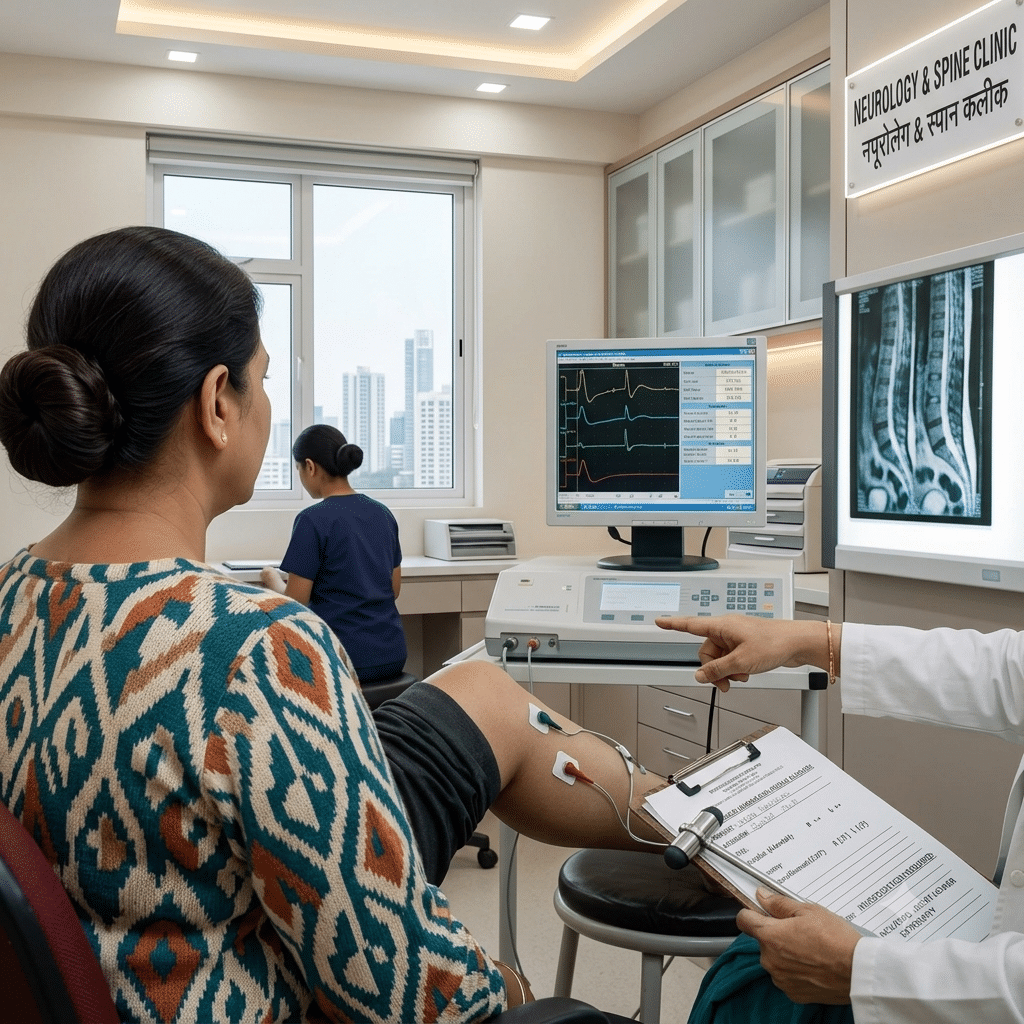
When clinically required, investigations such as EEG, EMG/NCS, imaging or laboratory tests may be recommended.
05. Personalised Treatment Plan
Treatment and follow-up recommendations are developed according to your diagnosis, symptoms and individual clinical requirements.
- DR. MONIKA PORWAL BAGUL'S AREAS OF EXPERTISE
Broad Clinical Expertise in Neurology
Dr. Monika Porwal Bagul brings together expertise across several areas of neurological care, allowing complex neurological symptoms to be evaluated from a broader clinical perspective.
Adult Neurology
Comprehensive neurological care for adults with a range of neurological conditions.
Child & Adolescent Neurodevelopment
Evaluation of neurological and neurodevelopmental concerns affecting children and adolescents.
Stroke Medicine
Evaluation, management and ongoing neurological care related to stroke and cerebrovascular disorders.
Chronic Pain Management
Neurological assessment and management of selected chronic pain conditions.
Neuropsychiatry
Integrated evaluation of neurological, cognitive, behavioural and related mental health concerns.
Complex Neurological Disorders
Particular clinical experience in refractory epilepsy, movement disorders, brain trauma sequelae and rare autoimmune neuro-inflammatory conditions.
- DIAGNOSTIC EVALUATION
Neurological Investigations When Clinically Required
A diagnosis is based primarily on the patient’s history and clinical examination. When additional information is required, Dr. Monika Porwal Bagul may recommend appropriate investigations based on the suspected condition.
EEG
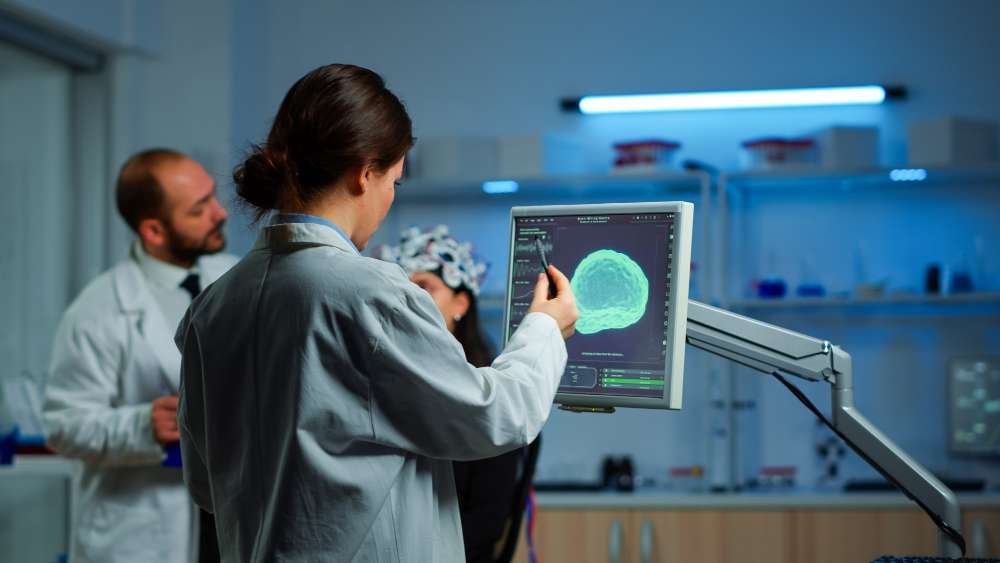
Evaluation of electrical activity of the brain, particularly in selected seizure and epilepsy cases.
EMG & NCS
Assessment of nerve and muscle function in conditions involving neuropathy, nerve compression, weakness and neuromuscular disorders.
Brain & Spine Imaging
Imaging may be recommended when required to evaluate structural conditions affecting the brain, spinal cord or related structures.
Laboratory Investigations
Blood tests and other investigations may help identify metabolic, inflammatory, autoimmune or other contributing factors.
Note: Not every patient requires every investigation. Tests are recommended based on individual clinical findings.

- COMPLEX NEUROLOGICAL CONDITIONS
Specialist Care for Complex Neurological Conditions
Some neurological conditions may be persistent, difficult to control or require long-term specialist management.
Dr. Monika Porwal Bagul has clinical expertise in evaluating and managing complex conditions including:
-
Refractory Epilepsy
For patients whose seizures remain difficult to control despite appropriate treatment. -
Movement Disorders
Including complex tremor and other disorders affecting movement and coordination. -
Brain Trauma Sequelae
Neurological symptoms and complications that may persist following traumatic brain injury. -
Autoimmune Neuro-inflammatory Conditionse
Evaluation of selected neurological conditions associated with autoimmune or inflammatory processes.

- PERSONALISED CARE
Every Neurological Condition Is Different
Two patients may experience similar symptoms but have very different underlying causes.
Dr. Monika Porwal Bagul’s approach focuses on understanding the individual patient, their symptoms, medical history, examination findings and treatment requirements before determining the appropriate course of care.
The objective is to provide patients with:
Accurate Clinical Assessment
Understanding the nature and possible cause of neurological symptoms.
Clear Diagnosis & Explanation
Helping patients and families understand the condition and its implications.
Individualised Treatment
Selecting an appropriate management approach based on the patient's clinical needs.
Ongoing Neurological Care
Monitoring progress and modifying treatment when required.
- ADULT, CHILD & ADOLESCENT NEUROLOGY
Neurological Care Across Different Stages of Life
Neurological conditions can present differently at different stages of life.
Dr. Monika Porwal Bagul provides neurological evaluation fo
Adults
Assessment and management of common and complex neurological conditions affecting adults.
Children & Adolescents
Evaluation of neurological and neurodevelopmental concerns in children and adolescents, taking age and developmental stage into consideration.
- WHY CONSULT DR. MONIKA PORWAL BAGUL?
Experienced, Comprehensive & Patient- Centred Neurological Care
- Broad clinical expertise across multiple areas of neurology
- Adult, child and adolescent neurological evaluation
- Experience with complex neurological conditions
- Detailed clinical assessment
- Evidence-based treatment planning
- Individualised patient care
- Clear communication with patients and families
- Comprehensive approach to diagnosis and long-term management
Frequently Asked Questions About Neurology Consultation
Dr. Monika Porwal Bagul evaluates and manages a wide range of neurological conditions, including headaches and migraine, epilepsy, stroke, neuropathy, movement disorders, dizziness, memory and cognitive disorders, neuromuscular conditions and pediatric neurological concerns.
You should consider neurological consultation for persistent or unexplained headaches, seizures, numbness, weakness, tremors, dizziness, balance problems, memory changes or other neurological symptoms.
The consultation generally includes a detailed discussion of your symptoms and medical history followed by an appropriate neurological examination. Further investigations may be recommended when clinically necessary.
No. You do not necessarily need to have an MRI before your consultation. After evaluating your symptoms and clinical findings, Dr. Monika Porwal Bagul can determine whether imaging or another investigation is appropriate.
No. Investigations are recommended according to the patient's symptoms, examination findings and suspected condition.
Yes. Her clinical scope includes child and adolescent neurodevelopment, in addition to adult neurology.
Many neurological conditions require ongoing monitoring and management rather than a single treatment. The appropriate follow-up depends on the diagnosis and individual clinical circumstances.
Take The First Step Towards Better Neurological Care
Persistent or unexplained neurological symptoms deserve appropriate specialist evaluation.
Consult Dr. Monika Porwal Bagul, Neurologist & Spine Specialist in Indore, for comprehensive neurological assessment and personalised care.